
Product management for construction AI
You paid for AI tools.We make sure they get used.
We look after your AI tools the way software companies look after their products: one person responsible, people using it every day, a number that shows it pays off, and a plan for what comes next. If a tool cannot get there, we tell you to switch it off.
Which one sounds like you?
Not sure what counts? AI tools include AI licences such as Copilot, AI features inside software you already use, chatbots, and tools or scripts your own staff built.
You bought AI software, or your staff built tools. Few people use them, and nobody knows which to keep.
AI Tool Commissioning. Three weeks, fixed. We list every AI tool you have, give each one a clear answer, and hand over the strongest one so people use it every day. If your own staff built the tool, we help turn it from one person’s side project into something the whole company can use and maintain.
Start with a free review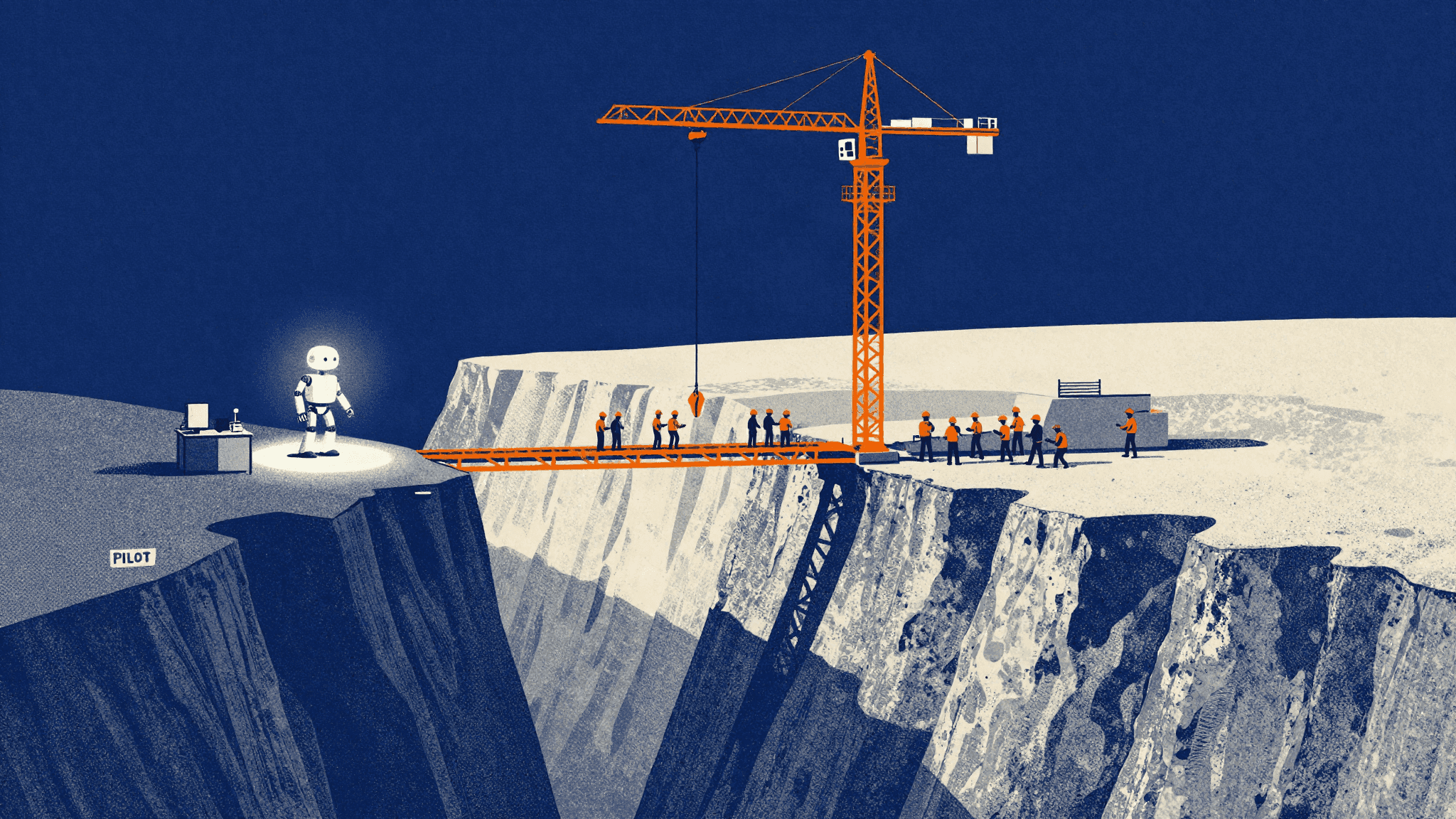
- 3 weeksfrom the start of the work to a clear decision
- 5 stepsto take a tool from demo to daily use
- 3 toolsreviewed free: keep, fix or switch off
- 0 commissionfrom software sellers, so our advice is on your side
How we work
How we get an AI tool into daily use
A new building is tested, commissioned and handed over to the people who run it, with manuals and a maintenance plan. Most AI tools skip all of that and go from demo to the shelf. We give each tool the same handover a building gets, in five steps.
Software companies call this product management. Most construction companies have never had it for their AI tools. We bring it.
See our two offers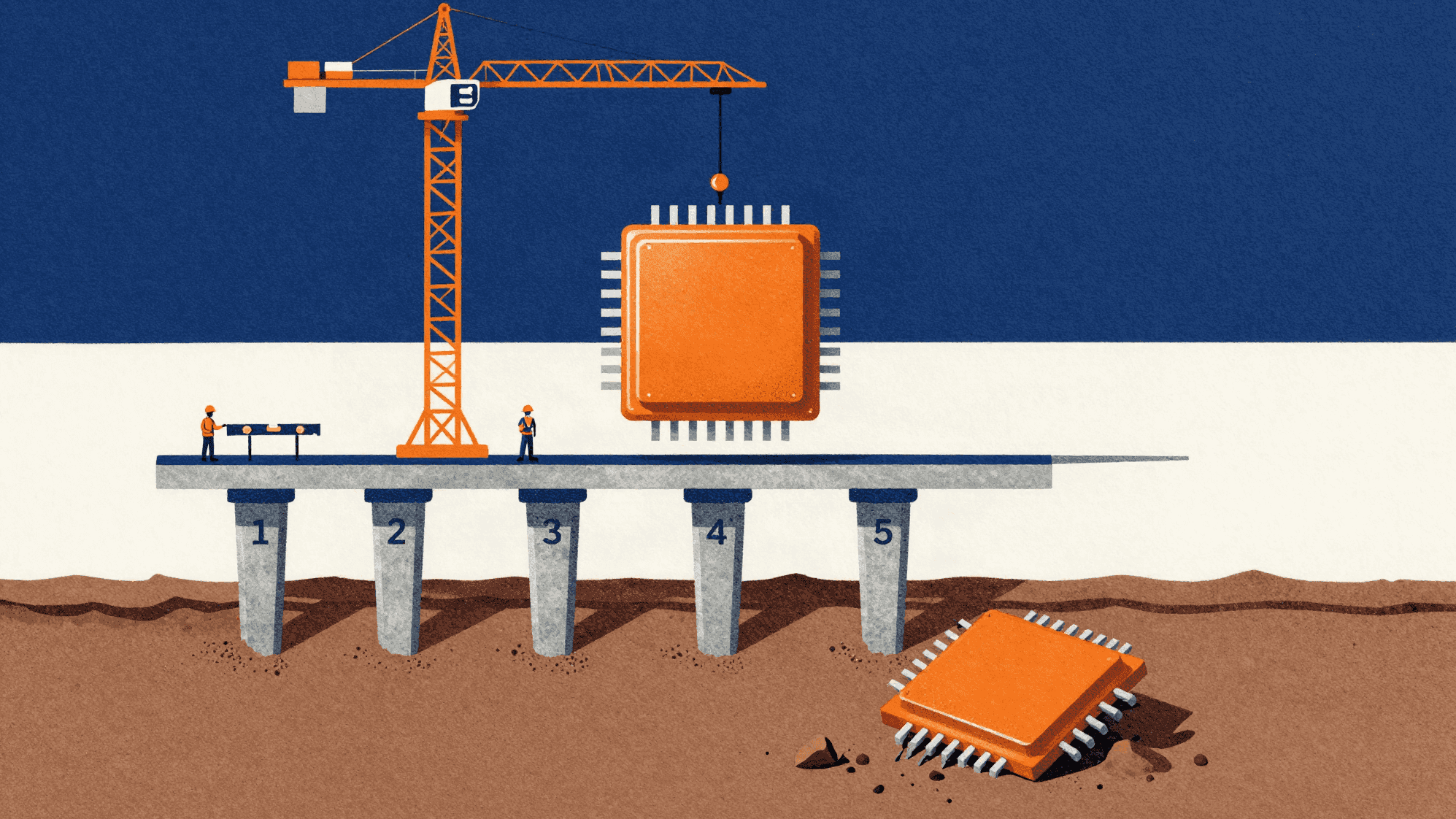
- 01
One person responsible
One person answers for whether the tool is accurate, what it costs, and what happens when it goes wrong.
- 02
Used without being chased
The people it was built for use it in their daily work, without reminders.
- 03
One number that shows it pays off
A number the business already watches, such as hours, rework, review time or cost. The tool must move it.
- 04
Clear limits for the AI
What the AI may do alone, what a person checks, and when the AI may do more.
AI rules are tightening in Europe and the Gulf. Clear limits and a named person responsible are what they ask for first.
- 05
A plan for the next project
Written down, so the next project does not start from zero.
An example
Free: keep, fix or switch off.
Send us up to three AI tools and the answers to five questions. Within two working days we send back one page with a clear answer for each, and the reason.
Fix: the tool is worth keeping, but nobody manages it yet. We turn it into a proper product your company can rely on: one person responsible, a clear purpose, and a plan to improve it.
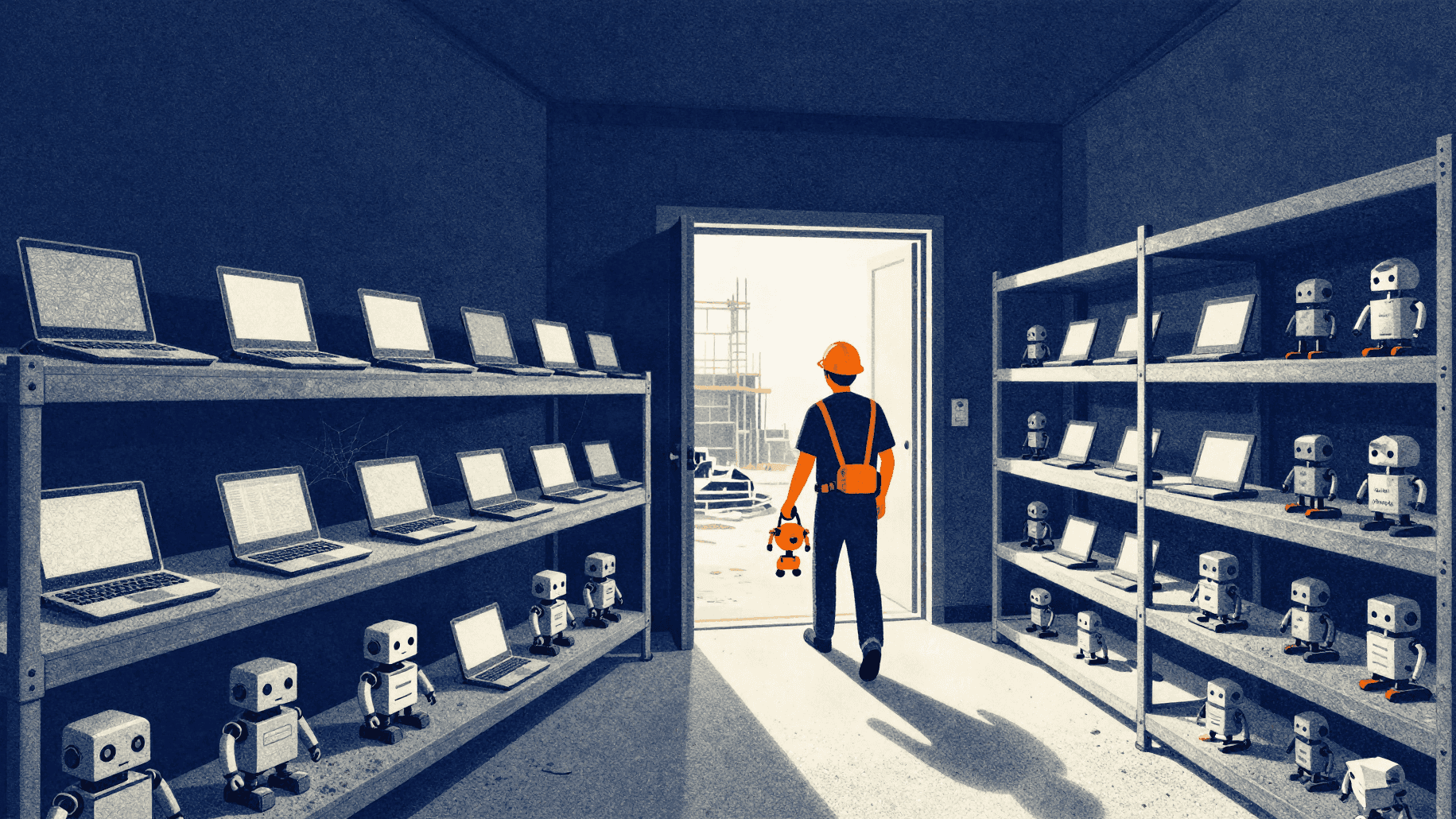
Example only. Not a real client.
- Drawing clash summarizerFixThree project teams use it every week and it cuts review time. Give it one person responsible and a plan for the next project.
- Site photo taggerKeepOne team relies on it and it costs almost nothing. Name one person responsible and leave it as it is.
- Contract clause chatbotSwitch offBuilt for a demo. Nobody has used it in ninety days. Switch it off and keep the lessons.
A 2-minute check
Is your AI tool actually being used?
Think of one AI tool your company bought or built. Tick each question you can answer yes to today. If the answer is “sort of”, leave it empty.
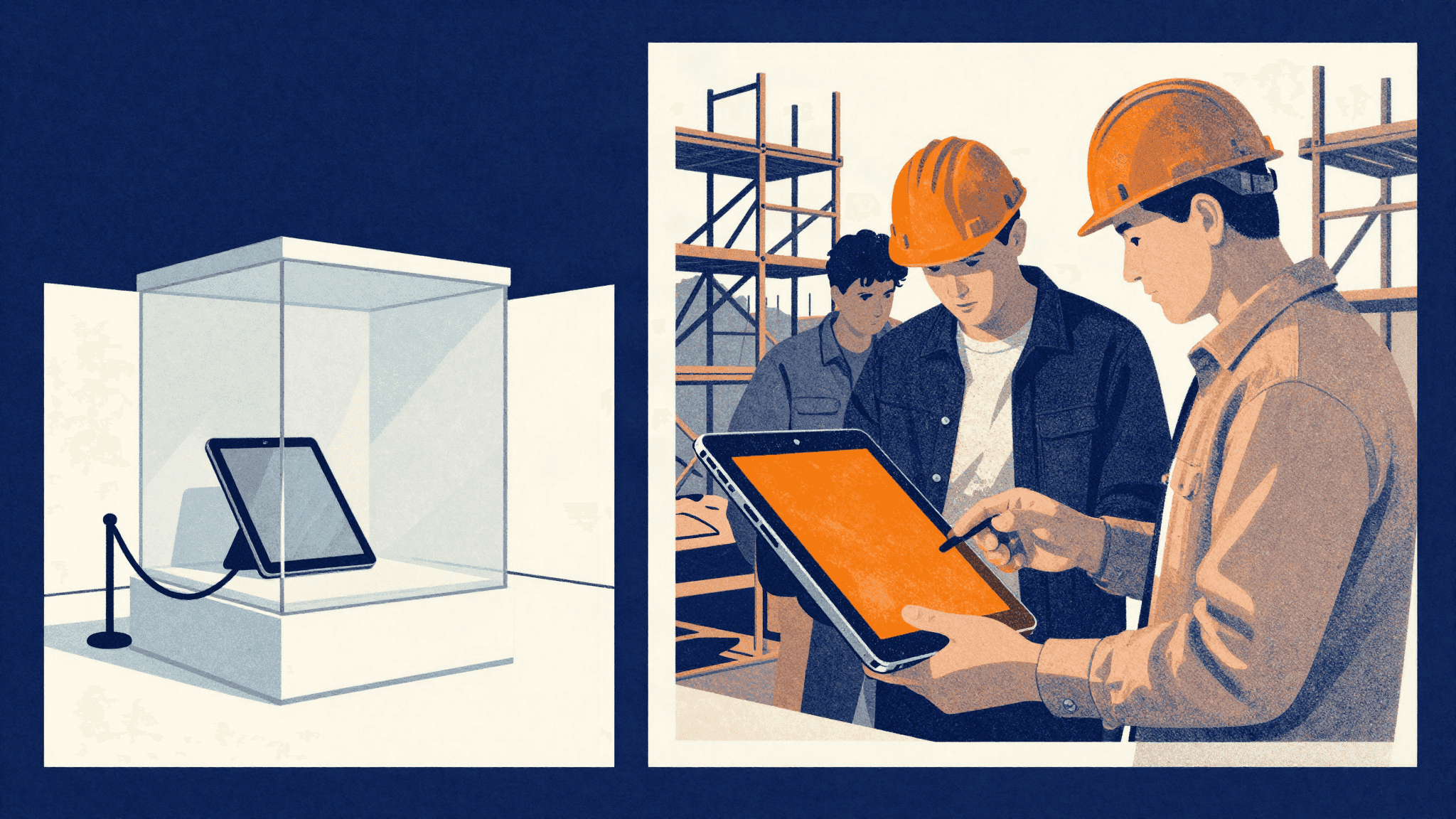
A quick self-check, not an audit. Nothing is sent or stored until you press the email button.
Learn more
AI adoption in construction: why tools fail, and what works
Most AI tools in construction get a good demo, then fade. These are the five questions we help clients answer.
Why AI tools stop after the demo
What happens between a good demo and daily use that never comes.
Tools your own staff build
How to manage the AI tools your engineers and staff build themselves.
How buyers judge AI software
How owners and contractors test, choose and reject AI software.
Who checks the AI
What an AI tool may do alone, and who answers for it.
Turning know-how into tools
How to turn what your experienced engineers know into tools others can use.
Free to start
Start with a free review.
Most firms pay for AI licences that nobody opens. We show you which ones.
When budgets are tight, switching off what nobody uses is the fastest saving.
Send us up to three AI tools. For each, answer the five questions from our two-minute check. We reply within two working days with keep, fix or switch off for each tool, and offer a 20-minute call to go through it.
Not sure what counts? AI tools include AI licences such as Copilot, AI features inside software you already use, chatbots, and tools or scripts your own staff built.
If you use only one main platform and its vendor already gives you an active support team, we will tell you so honestly, and suggest our half-day workshop instead of a three-week engagement.
Fix: the tool is worth keeping, but nobody manages it yet. We turn it into a proper product your company can rely on: one person responsible, a clear purpose, and a plan to improve it.
0 of 3 tools. Names only. Please leave out confidential project details.
Send for a free reviewPrefer a spreadsheet?Download a free spreadsheet: list up to three tools, answer the five questions for each, and email it to us.
Sell AI software?See the seller version